
Open House is a creative technology studio.

We work on both sides of an equation most companies treat as separate: helping creative teams make technology work for them, and helping technology teams build tools creative people actually want to use.
The studio exists because of something we kept watching happen. Tools got built for creative teams without creative teams in the room — and then those teams were asked to adapt to whatever came out. When creatives were involved from the start, the tools were better. More useful, more flexible, easier to adopt. That's not a philosophy. It's just what we observed, over and over.
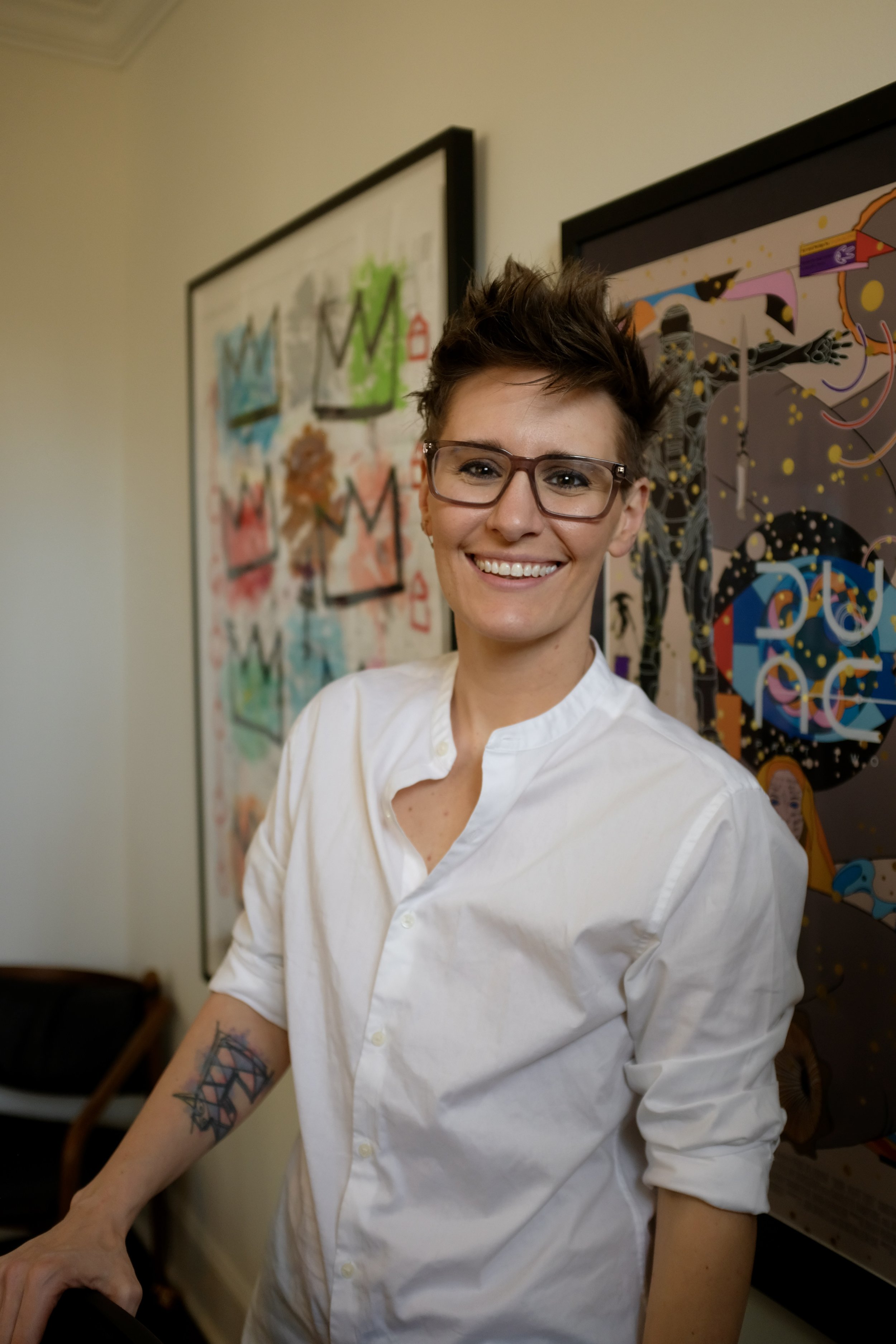
Meet the Founder
Kelli Griggs, Founder
Kelli started as a trailer editor. She spent years cutting trailers before she ever sat on the other side of the table — which means when she sits down with a creative team, she isn't guessing at how the work feels.
At Netflix she spent eight years as the person between creative teams and engineering. She didn't write the code. She figured out what the code should do — identifying which problems were worth solving, specifying what tools needed to accomplish, and working alongside machine learning and engineering teams to build them. More than thirty tools and systems. A patent. Two Hack Day wins. Four posts on the Netflix Technology Blog.
But the decision she's proudest of is one where she said no.
"Netflix asked me to automate trailer creation. I pushed back and redirected the work to the film breakdown that came before it — a process that took a week and was never creative to begin with. That became the first tool I built there. It's still the clearest version of how I think: figure out what was never creative, automate that, and protect everything else."
That decision is the method. Most companies start by asking which tool to buy. The useful question is which part of this work was never creative in the first place.
Both rooms.
What makes this work is fluency in two languages that usually need a translator between them. Creative teams trust the work because it came from someone who did the work. Engineering teams trust it because she spent eight years specifying what they built and understanding what was actually possible.
Most organizations bridge that gap with two people who don't quite understand each other. Open House is one person who's been in both rooms.
We're not anti-AI.
We build with it. We think it's where the world is going and we'd rather be shaping it than resisting it. But we care a great deal about which parts of the work get handed over, and we think that decision deserves more rigor than it usually gets.
How we work.
In the room, with the people doing the work. Honest about what we don't know. Happier building the machine than running it — which is why every engagement ends with your team owning what we built.
what we won’t do
We don’t start with a tool.
If the answer is to leave a workflow alone, that’s the recommendation you’ll get.
We don’t automate judgement.
Taste, rhythm, and creative intuition are the things worth protecting. We automate the work around them.
We don’t stay forever.
Engagements end at a proven pilot your own team runs. Building the machine is the job. Operating it isn’t.